1The World Behind the World
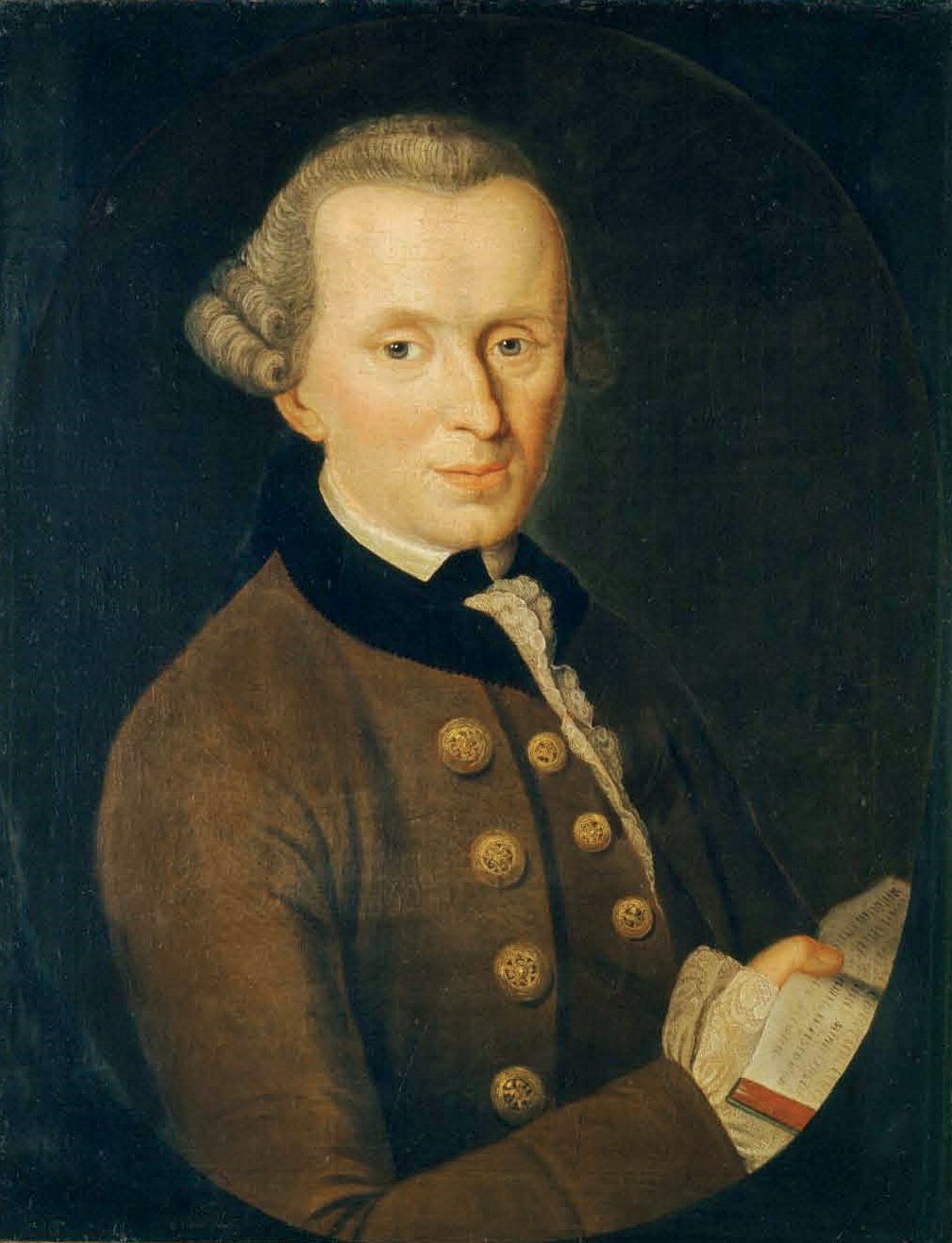
The lecture opens a semester, and it opens with a warning: the world we experience is not necessarily the world as it truly exists. That is the first idea, and everything else follows from it. Immanuel Kant argued in the Critique of Pure Reason that human beings can never know objective reality directly. There may be a reality outside us, what Kant called the noumena, things as they are in themselves, but that reality is inaccessible. We meet the world only through our senses, and our senses reshape it, turning whatever is really there into something a human mind can process. What appears to us is the phenomena: the world as it appears, as interpreted, as filtered through perception. Even time and space, Kant argued, do not exist outside us in the way we assume. They are structures the mind imposes on experience so that reality becomes understandable at all. Human beings do not simply observe the world. We construct it. Reality, in that sense, is what we imagine it to be, and life is a continuous act of imagination.
That changes what education is for. If reality is constructed, the purpose of thinking is not merely to pile up information. It is to train the imagination, to enlarge it, and to become capable of seeing the world through more than one frame. The goal of the course, the lecturer tells his students, is not to tell them what to think. It is to teach them how to think, and that requires connecting the past, the present, and the future. The present supplies the questions: why is there war in Ukraine, why is there war in the Middle East, why do states behave as they do, and why do leaders make decisions that look irrational from the outside? Those questions are the raw material for everything else.
2A Model That Can Fail
The first task is to build an analytical model of the world and then use it to make predictions. Predictions matter because they are how a model is tested. If a model fails again and again, it is wrong; if it predicts events correctly again and again, it may contain something useful. This is no different, the lecture notes, from artificial intelligence: a model is built, tested against reality, and judged by whether its predictions come true. Then, if the model holds up, it can be turned around and pointed backward. The present can be used to understand the past, and the model can be applied to history itself, and this opens the possibility of uncovering what the course calls the secret history of humanity.
It is secret because, on the lecture's account, the history people learn in school is false. The history most people believe is a system implanted in their minds by powerful people: not a neutral record of what happened, but manufactured memory, a structure of belief designed to make populations understand the past in ways that support existing power. The real question, then, is not simply what happened. It is how power works. If power can be understood, manipulation can be recognized, and once manipulation becomes visible, freedom becomes possible. Three examples reveal the structure: money, the individual, and the nation state. These three ideas dominate modern life, and people treat them as obvious, natural, and real. The lecture asks its students to entertain a different possibility: what if all three are constructions, implanted in us, products of power?
3Five Million Dollars
Begin with a bank. Imagine that several people deposit a total of five million dollars, and the bank promises them one percent interest; they accept, because they want a safe place for their money and a modest return. Now the bank has a problem. It owes interest, so it has to make money. A friend comes in wanting to build a restaurant. He needs five million dollars and promises to repay it at ten percent, and the bank lends it to him. The depositors receive one percent, the borrower pays ten, and the bank earns roughly a nine percent spread, enough to pay employees, build offices, and expand. Now ask a simple question. The bank took in five million dollars and lent out five million dollars. How much money remains in the bank? The logical answer seems to be zero: five million in, five million out. Then comes the standard objection, fractional reserve banking. Perhaps the bank must legally keep a percentage in reserve, say ten percent, so it can lend only four and a half million and keeps half a million. Now the answer appears to be half a million dollars, which is the answer most people expect.
But the financial system does something else. The original deposit does not vanish from the depositors' accounts; they still see five million dollars. At the same time, the borrower has four and a half million dollars in his. The system now contains nine and a half million dollars of deposit money and credit, where before there were five. The bank has expanded the money supply. It has created money by lending it. This sounds absurd, but it is how banking actually works, and the point is not a fringe claim. In 2014 the Bank of England said so plainly in its own quarterly bulletin: whenever a bank makes a loan, it simultaneously creates a matching deposit in the borrower's account, and in doing so creates new money. Banks create money, in effect, out of nothing. The lecture applies this to China, where over the past few decades state banks such as the Bank of China, the Industrial and Commercial Bank of China, and the Agricultural Bank of China became some of the largest banks in the world. How did that happen? Not simply because Chinese citizens grew rich and deposited enormous savings. There is a simpler explanation: the banks became enormous because they lent. They lent to corporations and governments to finance roads, skyscrapers, and infrastructure; they created credit in order to build China. That is what banks are permitted to do.
4Receipts for Gold
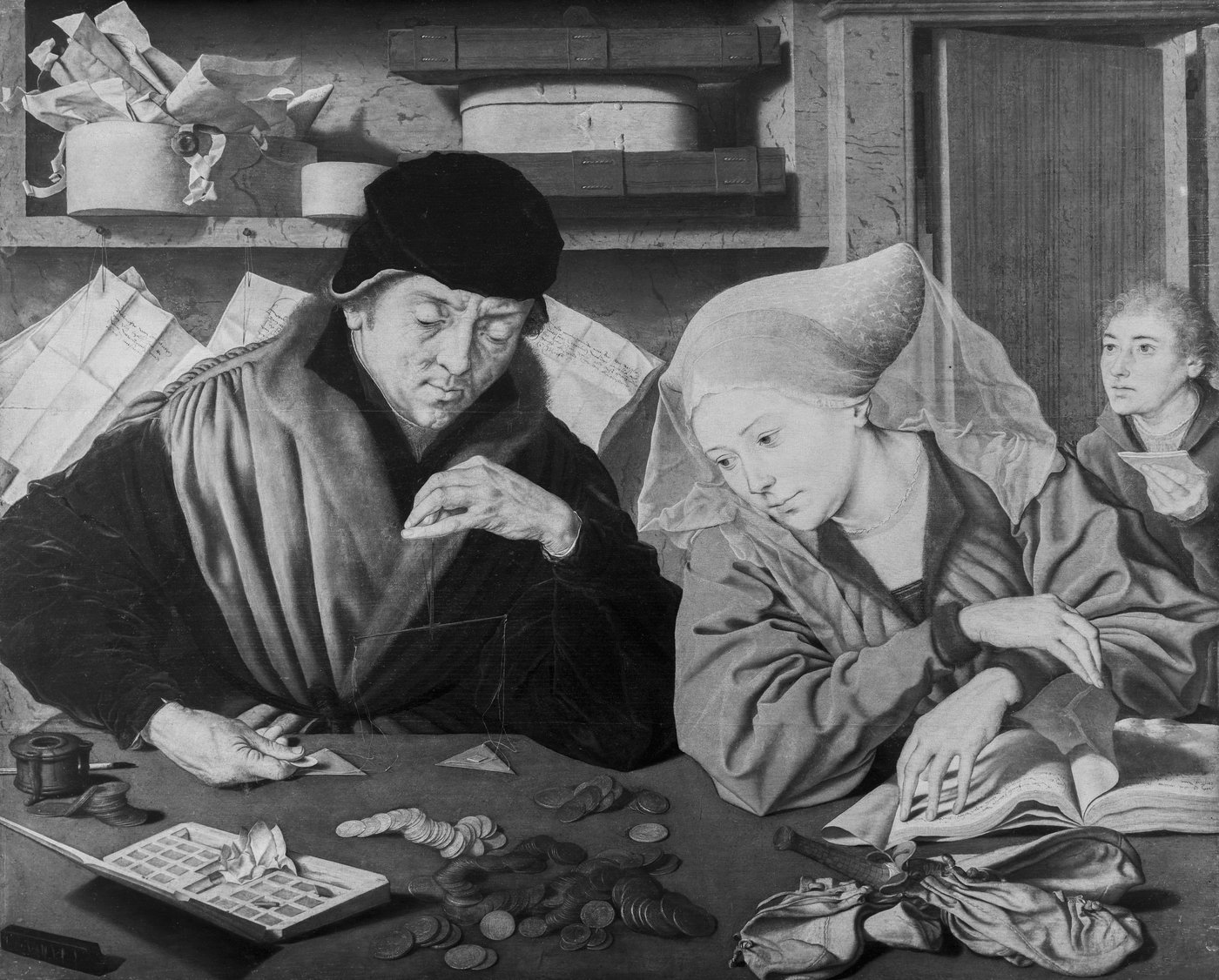
How did such a strange system come into being? The story begins with merchants. Trade needed finance, and some merchants grew wealthy enough to start operating banks to support commerce. Gold was the great monetary asset of the age. A person could bring gold to a bank, or in seventeenth-century London to a goldsmith, for safekeeping, and receive a receipt in return: a contract promising that the gold would be handed back whenever its owner demanded it. That made trade easier. A merchant in Italy who wanted to travel to England to buy goods did not have to carry heavy, dangerous gold across Europe. He could carry the receipt instead, and because the receipt could be transferred, it became money in its own right. Then another merchant came to the bank needing gold to finance his business. The bank could lend him gold, but physical gold was inconvenient, so it issued him a receipt as well. And now something extraordinary had happened. The gold still sat in the vault, but there were now two claims against it. A bank holding five million dollars' worth of gold could issue five million in receipts to depositors and another five million to borrowers, so that the gold remained five million while the claims became ten. The gold did not double. The belief doubled, the contracts doubled, the claims doubled. That, the lecture says, is the basic logic of finance.
Why would anyone accept paper rather than demanding the metal? Part of the answer is that for most of human history, ordinary people did not need money in the modern sense at all. Most lived in villages, grew their own food, and knew one another. If one person had a goat that another wanted, they could exchange something else, a cow, a day's labor, food, an obligation. Money was not needed for every transaction, and where it did appear, it often stood for something deeper: a debt that could never really be repaid. Imagine that two men fight and one kills the other. The victim's family now has every reason to kill the killer, and then his family retaliates, and the feud runs on, one death producing the next. Money can enter here as compensation, as it did in the blood prices of early medieval law. The killer gives something valuable to the victim's family. The payment does not truly repay the death, since a life cannot be replaced; what it says, symbolically, is: I acknowledge a debt that can never be paid. Money was symbolic from the start. When long-distance commerce arose, merchants needed a practical mechanism, and they already operated inside small networks where everyone knew everyone, so trust existed and the receipt could work. What about forgery? Could people simply fake the receipts? Not yet, not while the merchant circles were small enough that all the major participants knew each other; counterfeiting became an enormous problem later.
5Lending to Kings
The more serious problem was different. Suppose a bank holds ten million dollars in gold but has issued a hundred million dollars in contracts. Everything works as long as most people leave their gold in the vault. But if many of them demand it at once, the bank cannot pay. The contracts promise redemption, and the gold does not exist in sufficient quantity. That is a bank run, and it reveals that the whole system rests on confidence: if everyone believes, it works, and if everyone demands the reality behind the promise at the same moment, it collapses. There was a second problem too. Who, historically, borrowed the largest sums? Not entrepreneurs. Kings, nobles, and rulers, and they borrowed for war. A brother wanted the throne, a neighbor held coveted territory, an army had to be raised, weapons bought, and mercenaries paid. Kings were dangerous borrowers. They could die in battle, lose the war, or simply refuse to pay. In the 1340s, Edward III of England defaulted on enormous loans that had financed the opening of the Hundred Years' War, and two of the greatest banking houses of Florence, the Bardi and the Peruzzi, collapsed in the aftermath. A king could say, in effect, I am not paying, and the banker had little recourse.
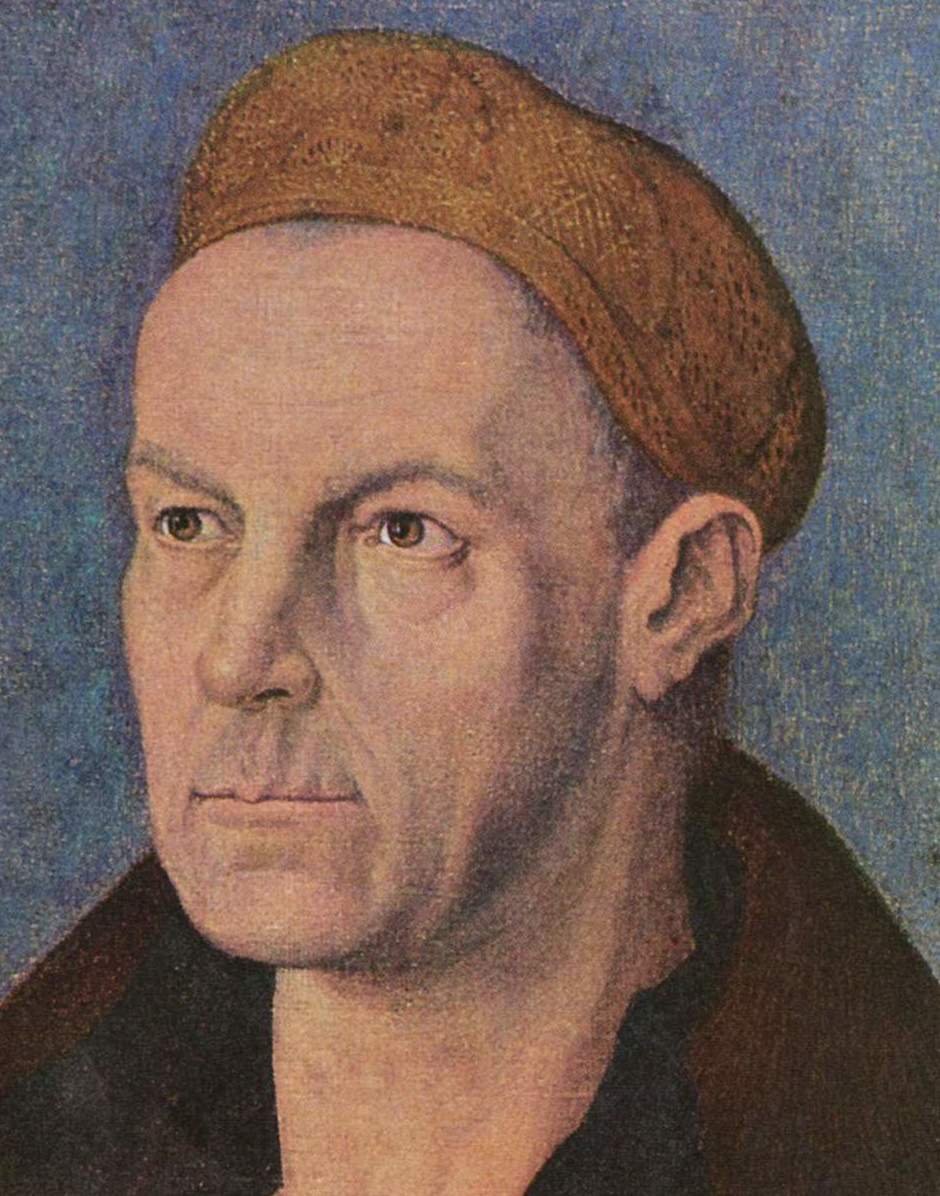
So, the lecture argues, banking families built another kind of system: cartels, partnerships, and networks. They married into one another's families and built alliances that stretched across Europe. If one bank faced a run, another could send gold; if one ruler refused to repay, the network could finance his enemy. A king who cheated the bankers might discover that a rival suddenly had an army, that a pretender had been funded, that a war had been paid for, and that his own throne was in danger. The power of such networks is a matter of record. In 1519 the Augsburg banker Jakob Fugger financed the bribes that won the imperial election for Charles V, and a few years later he wrote to the emperor reminding him, with remarkable bluntness, that without Fugger money he would never have worn the crown. Out of networks like these, the lecture argues, grew what we now call central banking, and central banking, in its view, controls the world today. The system rests on power: power turns a contract into money, and power turns nothing into everything.
6The Uses of Poverty
Now comes the obvious question. If banks can create money, why do poor people exist at all? Why do people starve, go without housing, and live in such unequal conditions? The standard answer is scarcity: there are not enough resources, money is limited, and people must compete for it. The lecture rejects that answer. Money is not scarce. Money is, in principle, infinite. It is a number, and banks create it, governments create it, credit creates it, and modern economies generate it constantly and in enormous quantities. So why are there poor people? Part of the answer, the lecture says, is that people have been trained so thoroughly to believe in the scarcity of money that even after being shown how money is created, their minds slide straight back to scarcity, so deeply has the belief been implanted.
The deeper answer is harder: the powerful do not want everyone to have money, because if everyone had enough, people would stop working. The purpose of money, on this view, is not to distribute wealth. It is to create the illusion that money is valuable so that people will work hard to get it, and that requires visible misery. There must be poor people, because if no one is poor, being rich loses its meaning. Children are told to study hard, get good grades, and make money, or they will end up like those people over there, and the threat works only because poverty is visible. If poverty disappeared, parents could no longer point at misery and say: that will be you unless you obey. Poverty therefore has a function. It disciplines everyone else. It is not simply something the poor do to themselves; in the lecture's phrase, it is something the powerful do to populations, and what it produces is the illusion that money is worth everything.
7Crises, Wars, and the Grind
The same logic is extended to crises. Why do stock markets crash? Why do recessions and depressions happen, putting people out of work, wiping out savings, and destroying businesses? The lecture's answer is that crises destroy money, and it explains why that might be useful to someone. If too much money accumulates in the system, people do not have to work. If people feel secure, they become harder to control: they can refuse, walk away, and demand more. So wealth must periodically be destroyed. A crisis creates unemployment, fear, and scarcity, and afterward people return to work, become obedient again, and compete; money regains its psychological value. Is the destruction of money the real purpose of a crisis? It is not what economics courses teach, and the lecture poses it as a question rather than a proven fact: could it be the hidden function? War is explained in a similar way. The usual answer is that wars are fought over scarce resources, oil, land, water, and territory. The lecture calls that scarcity a lie and proposes instead that the deeper function of war is to destroy wealth. War destroys cities, infrastructure, factories, savings, homes, and human beings, and then society must rebuild, people must work again, scarcity returns, and money regains its value.
To make the point vivid, the lecture compares modern life to an online game such as World of Warcraft. Players run around, work, fight, collect credits, buy objects, upgrade their characters, and keep grinding. Why do they keep playing? Because the game controls scarcity. Imagine the developers simply let infinite credits fall from the sky so that everyone had unlimited money. The structure of the game would collapse; people would stop grinding, because they would no longer need to perform the repetitive tasks. The same principle, the lecture argues, operates in modern life. People work endlessly to obtain credits, money, but money itself is not the real value. The real value is human labor, and money is the mechanism used to make people work. The world most people inhabit is, in the lecture's strongest formulation, an illusion maintained by the financial system to make them work as hard as possible, because the real wealth is the work they do.
8Is There Enough?
A student raises a serious objection. Money may be infinite, but food is not, land is not, and oil is not; physical resources are genuinely limited. The response begins with food. Go to a garbage dump, the lecturer says, and look at how much food is thrown away every day. If food were genuinely scarce, why would so much of it be destroyed? The United Nations Food and Agriculture Organization has estimated that roughly a third of all the food produced for human consumption is lost or wasted, about 1.3 billion tonnes a year. Is there actually enough food to feed everyone? People still starve, which suggests that hunger is not simply a matter of natural scarcity. It is, at least in part, an artificial crisis: food is finite, but it is abundant, and there is enough.
The objection continues: what about land, oil, and the other physical resources? Here the lecture is candid that it cannot fully resolve the question in one morning. What it suggests instead is that the modern mind may be trapped inside a scarcity mindset. Scarcity exists, but so does abundance, and the world contains both limits and plenty. The problem is that people have been trained to interpret everything through scarcity, so that they see only the limits and never the plenty, and that habit of mind, the lecture argues, is itself one of the things modern power has taught them. The deeper argument must be developed over the rest of the course.
9The Invention of the Individual
The second example concerns happiness. What makes a person happy? Students answer readily: money, power, freedom, relationships, friends, romantic love, vacations, video games. Modern people instinctively answer in terms of individual happiness, what makes me happy, and the lecture points out how historically unusual that is. Five thousand years ago, people would have thought first of collective happiness. If the community was miserable, no individual could simply declare himself happy, because family, village, and community were the units that mattered. For most of human history, happiness meant helping others, being generous, and taking part. Imagine that someone wanders off and discovers a great deal of gold, then returns home rich. What does he do first? The modern answer is to save it, put it in the bank, hide it, or keep it for his children. Historically, the response was often to hold a feast: invite everyone, spend the wealth, and share it, because what mattered was standing within the community, and generosity was what created honor. If one person became rich, everyone should benefit. The pattern runs across many societies, from the potlatch feasts of the Pacific Northwest, where chiefs gained rank by giving wealth away, to the villages of China, where a man who left for Beijing, opened a restaurant, and made his fortune would traditionally come home and feed the whole village. Modern society reverses this. The wealthy person deposits everything, keeps it, and accumulates. The older person turned wealth into collective happiness.
A student pushes back: was the feast not simply about personal reputation, and so still a form of individual happiness? The lecture answers that the modern concept of the individual did not exist in the same form. The idea that a person exists independently of family, community, and world would have made little sense. Consider what counted as one of the worst punishments in older societies: not necessarily death, but exile. Athens could ostracize a citizen; a tribe could cast a member out. To be told that you no longer belong to us, that you are outside the family, the village, the tribe, could be worse than any physical punishment, because identity came from belonging. The autonomous individual of modern life is a recent construction, and, the lecture insists, it had to be created.
10Gods or Synapses
To show how, the lecture sets two worldviews side by side. The first is polytheistic. Human beings do not fully control their lives; they are surrounded by gods, Apollo and Dionysus, Fate and Fortune, Anger and Pride, forces far larger than any individual. A man grows rich, and then the god of pride enters him; he becomes arrogant and destroys himself. Human beings are constantly moved by forces they do not understand, and there is no such thing as complete individual agency. The second worldview is the modern one. Human beings are synapses and memories; the mind is produced by DNA and environment, by genes and experience. Anger comes from biological and environmental patterns, trauma is encoded, and memory reinforces behavior, so that through therapy, reflection, exercises, medication, or other intervention the person can change the system. The first worldview says you are surrounded by forces greater than yourself; the second says you are an internal mechanism that can be repaired. Which is more accurate? Modern people choose the second at once, because it is what school teaches them, in neuroscience, psychology, psychiatry, and science. The lecture asks whether that choice is actually right, and answers that the first worldview may be the more accurate reflection of reality, because it contains more information and better represents the complexity of the forces that operate through human beings.
If the older worldview was more useful, why was it replaced? What does power gain from the modern model? The lecture names three benefits. The first is individual responsibility: a person who believes every problem lies inside himself becomes easier to control. The second is work. In the ancient worldview, a person might say: I do not need to accumulate endlessly, because if I grow too rich the gods will punish my pride, so I should enjoy life and take it easy. In the modern worldview, he says: I control my own life, so I must work harder, and if I fail, it is my fault. The system, the lecture argues, is designed to make people work as hard as possible, because hard work generates real wealth for the powerful, and money by itself does nothing except motivate labor. The third benefit is the deepest: powerlessness. At first glance, the polytheistic world seems to make people powerless, since gods and fate control everything. But the modern system produces a greater powerlessness, because it destroys collective action. If the source of every problem lies inside the individual, then society is never responsible. You are poor because you failed; you are depressed because your brain is defective; you are angry because of your psychology; you are exhausted because you lack discipline; you are lonely because you have social problems. Every crisis is individualized, so people cannot recognize one another, cannot say we share the same problem, and cannot organize. And collective action, the lecture insists, is the only thing that has ever changed the world. When people become miserable and isolated in the modern system, they do not organize; they escape, into video games, into pornography, into whatever distraction is at hand, and the system remains untouched.
11The Expert and the Sad Man
In the modern worldview, who holds authority? Scientists, experts, psychologists, and psychiatrists. Because the system presents itself as science, people assume it must be true, and science, in the lecture's phrase, becomes a religion. Its most controversial example is depression. Imagine a person feels sad. What should he do? Walk, exercise, rest, talk to a friend or to family, spend time in nature. Modern institutions teach another answer: see a psychiatrist, see a psychologist. Here the lecture poses its most provocative question, and it is right to report it as a question rather than a conclusion: what if going to a psychiatrist for ordinary sadness does not help, and what if it makes things worse? Is the system designed to cure, or to make people dependent on authority? When a sad person is told that he needs an expert and a drug, instead of a walk or a friend, does he learn dependence? And is this really about psychiatry at all, or about who controls the definition of reality?
Those are a philosopher's questions about a worldview, and they deserve to be read as such. They are not a judgment about any particular person's illness. Depression can be a serious medical condition, treatment helps a great many people, and nothing in this volume should be taken as advice to avoid it. What the lecture is challenging is narrower: the habit of turning every ordinary human sorrow into an individual malfunction to be managed by an expert, and what that habit does to our sense of who is in charge of our lives.
A student then raises an important objection: in the polytheistic worldview, are the gods not authorities too? Yes, the lecture concedes, but the gods are bad people. They fight; they are jealous, vengeful, proud, and angry. What separates them from human beings is not moral superiority but power: they can get away with behavior that would destroy a mortal. The modern idea that people in power are benevolent authorities acting in everyone's interest is new. In older systems, a king ruled because the gods favored him, not because he was good or just; the gods liked him, and that was enough. But the gods give and the gods take away, and a king who rules today may be destroyed by fate in five years. Power was understood to be unstable and life uncertain. If fate cannot be controlled, how should a person live? The Greek answer was eudaimonia, flourishing: live as well as you can today, be excellent, create, think, act, and develop yourself, because tomorrow may destroy everything. That, the lecture argues, is why the ancient Greeks, Homer, Plato, Aeschylus, Euripides, produced such extraordinary philosophy and literature: their life was centered on flourishing. Modern civilization replaces flourishing with pleasure: how do I feel good, how do I avoid sadness, how do I stay comfortable? The ancient worldview appeared to deny control and inspired greatness. The modern worldview promises total control and, in the lecture's words, produces slavery.
12The School and the Soldier
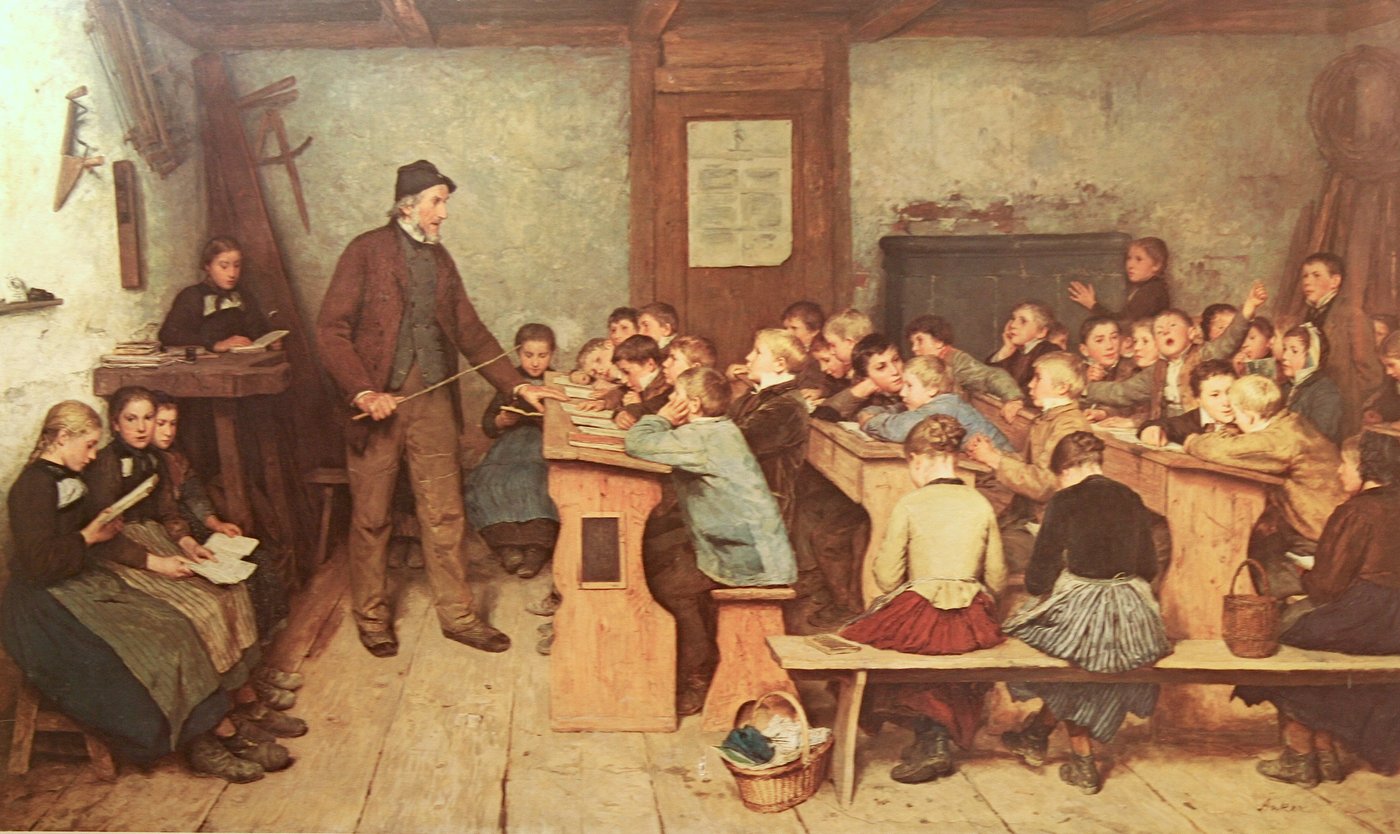
Then the lecture turns to school. Why are children there? To learn, to gain knowledge, to earn degrees and graduate? What if the answer is something else entirely, something the lecture calls brainwashing? Look at the structure: students enter classrooms, listen to lectures, read books, take tests, write papers, and receive grades, and this is called learning. But for most of human history, people learned through experience, practice, mentorship, and apprenticeship. Imagine a twelve-year-old who wants to become a doctor. On the first path, she goes into a hospital as a doctor's apprentice; in the first year she washes floors and watches, then gradually learns, treats simple cases, and takes on responsibility, and ten years pass. On the second path, she attends the best schools, then Harvard, then Harvard Medical School. At thirty, who is the better doctor? The lecture's answer is the apprentice, because the other may have spent years studying without ever working in a hospital. People do not have to be unusually intelligent to become skilled; anyone can become a doctor, engineer, lawyer, or scientist given enough time, practice, and mentorship, because human beings are born able to learn. Modern school creates something else: a sorting system of smart and stupid, good student and bad, elite university and dishwasher, which tells people who deserves opportunity. That was not the dominant pattern for most of human history.
Where did compulsory public schooling come from? The lecture gives three examples: Sparta, the Aztecs, and Prussia. What do they have in common? War. Sparta was one of many Greek city-states, but it alone took boys from their families at around the age of seven and placed them in a state training system, with older boys leading younger ones, in a society built entirely around war. The Aztecs, the greatest military power in Mesoamerica before the Spanish conquest, also required every boy to attend school, and they too practiced war on a vast scale, along with human sacrifice. Prussia, one of the most militarized states in Europe, built the model of compulsory state schooling that the rest of the world later copied. Schools, the lecture argues, are good at preparing people for war: they discipline populations, standardize them, organize them, and train obedience. And if compulsory education was so beneficial, why did most societies resist it for so long? Because school takes children away from their parents. Imagine being a mother or father: one of the worst things that can happen is that your child is taken away, and school institutionalizes exactly that. A child of four, five, or six loses the parent for most of the day and becomes insecure, anxious, and afraid, and the teacher becomes the new authority. If the parent were present, the child could ask whether the teacher was lying, and the parent could answer, and the child would feel protected. Security makes questioning possible; it makes disobedience possible. Remove the parent and the child depends on the teacher, and that dependence is what makes indoctrination possible.
Another objection follows: the parents went to school too, so are they not brainwashed as well? Yes, the lecture concedes, but the point is emotional security, not information. A secure child can challenge authority, and an isolated child becomes dependent; the institution replaces the family. Then a student asks the obvious question: are you brainwashing us? The lecturer's answer is honest: maybe. Any teacher can. That is why students must question, challenge, interrupt, and think for themselves. The difference he claims for his own class is that it does not rest on coercion: students can reject the argument and decide it is nonsense, whereas in ordinary schooling attendance is compulsory, refusal is punished, and parents can face consequences. The institution forces participation.
13The Memory of a Nation
If school is a kind of brainwashing, what belief does it implant? The lecture's answer is the nation state. School teaches children that the nation exists, Mother China, the United States, France, and turns the nation into a kind of person that the student must love, serve, sacrifice for, and if necessary die for. The belief is implanted through language, history, geography, and a shared story. Before the modern nation state, a person in Beijing might have said: I am from Beijing, from Haidian, from Chaoyang, identities rooted in actual communities, places, and people known directly. The nation state demands something else. You are Chinese, it says, and therefore you are the same people as someone from Yunnan, Tibet, or Guangxi, though you may have very different lives, histories, languages, customs, and experiences. School creates that connection; in the lecture's phrase, it implants a false memory.
Is history, then, the false memory of the nation state? And here is the harder question: is history not merely biased but deliberately implanted? School teaches a population to remember a national past that makes the state seem real, the nation becomes sacred, and once that belief exists, people will serve, obey, fight, and die. A student suggests another purpose: perhaps school also trains people to chase degrees, become ordinary workers, and avoid entrepreneurship. Perhaps, the lecture answers, but could the deeper purpose be service to the nation state, and the whole structure exist to produce obedient subjects? Nor is this a point about China alone. Every modern country is a nation state, and the mechanism, the lecture insists, is universal: the United States, France, and every other nation teach their own version of the same lesson.
14Alchemy
The three central concepts of the course are money, the individual, and the nation state. All three extend beyond direct human experience, and all three must be taught. If a person from a thousand years ago arrived today and had these concepts explained to him, the lecture suggests, he might conclude that we are all slaves. Where did the concepts come from? The lecture proposes monotheism, the belief in one true God, shared by Judaism, Christianity, and Islam, which it treats as at bottom one great religious idea. Monotheism introduced a revolutionary structure, one God, one truth, one law, one universal order, and that structure became so powerful that it transformed the world and created the intellectual conditions for money, the individual, and the nation state. Monotheism, in the lecture's phrase, turned nothing into everything. And that leads to its final definition. Power is alchemy. Alchemy is remembered as the failed attempt to turn lead into gold, nothing into everything, and modern science dismisses it as pseudoscience. But did humanity actually succeed? We did not transform lead chemically. We did something greater. We turned paper into money, an imagined self into the individual, and imagined borders and stories into the nation state. Power is the ability to make people believe that money is valuable, that individual happiness is the purpose of life, and that the nation exists. Power is the capacity to turn imagination into reality. That is alchemy. People are taught that history is progress: more technology, more wealth, more choice. The lecture asks whether that is really how it works, when so many modern people live anxious, isolated, dependent, and exhausted lives inside abstractions that have become prisons, money, individualism, the nation, scarcity, school, and authority, until the imagined system controls the people who imagined it.
Then comes the final and hardest question: was all this designed from the beginning by some mastermind? The lecture's answer is no. It was an accident of human imagination. Human beings did not know what they were doing; ideas emerged, institutions developed, generations inherited them, and the system became self-sustaining, until people forgot that it had ever been imagined and treated their own imagination as objective reality. That answer contains its own hope. If imagination created the present system, imagination can create another, and if human beings come to understand how power works, they can redesign society around something other than endless labor, scarcity, fear, isolation, and obedience: around eudaimonia, flourishing, intellect, creativity, community, and the expansion of the imagination itself. The world is not simply given; it is perceived, interpreted, remembered, and constructed, and the deepest power in history is the power to shape how human beings imagine reality. Control money, and people will work for symbols. Create poverty, and they will fear disobedience. Create crises, and wealth will be destroyed; create wars, and scarcity will return. Create the individual, and collective action collapses. Create experts, and people surrender their authority. Create schools, and children can be separated from their families. Create a national history, and millions of strangers will imagine themselves as one people; create the nation, and they will fight and die for an abstraction. Create a universal God, and a universal order can follow. That is the hidden architecture. Power does not merely command. It imagines, it implants, and it turns nothing into everything. That is how power works.